The Open-Plan Office Problem
Anyone who has tried to finish a report at a shared desk while a sales call happens two metres away already knows the feeling: it’s not just annoying, it’s tiring. A new study out of Spain has now put a number on that tiredness, and it’s some of the clearest physiological evidence yet for something we talk to clients about every week: the workspace around you changes how hard your brain has to work, not just how you feel about the work.
The trigger for this piece is a recent ArchitectureAU article by Elizabeth Sander, which summarises a peer-reviewed study published in the journal Buildings (Pérez-Martínez, Barranco-Merino, Higuera-Trujillo and Llinares, 2026). We went to the source paper to see exactly what was measured, and it’s worth unpacking, because the findings line up almost exactly with the acoustic and spatial problems we help organisations solve.
What the researchers actually did
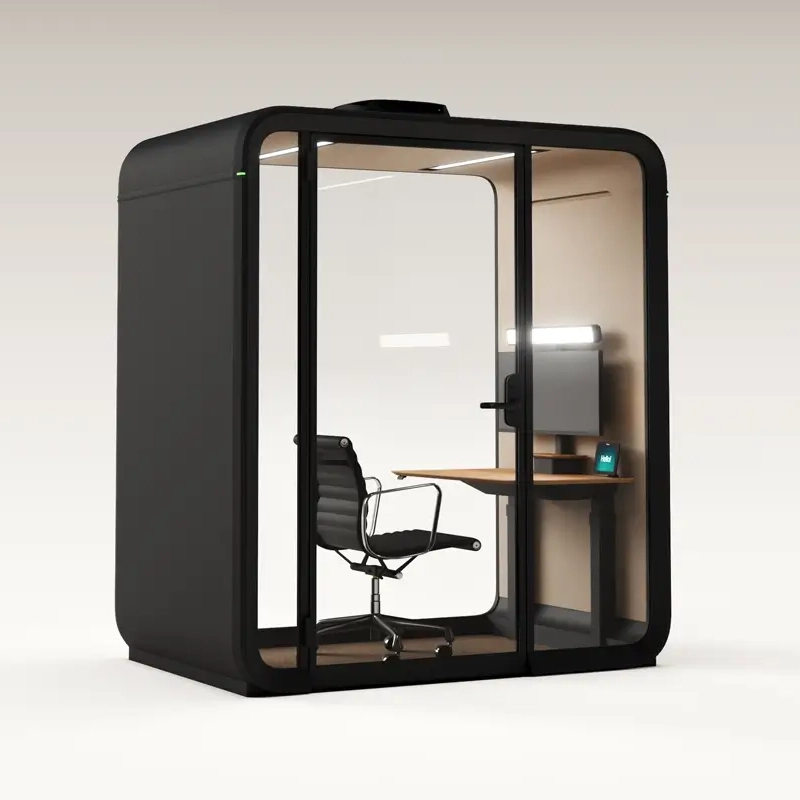
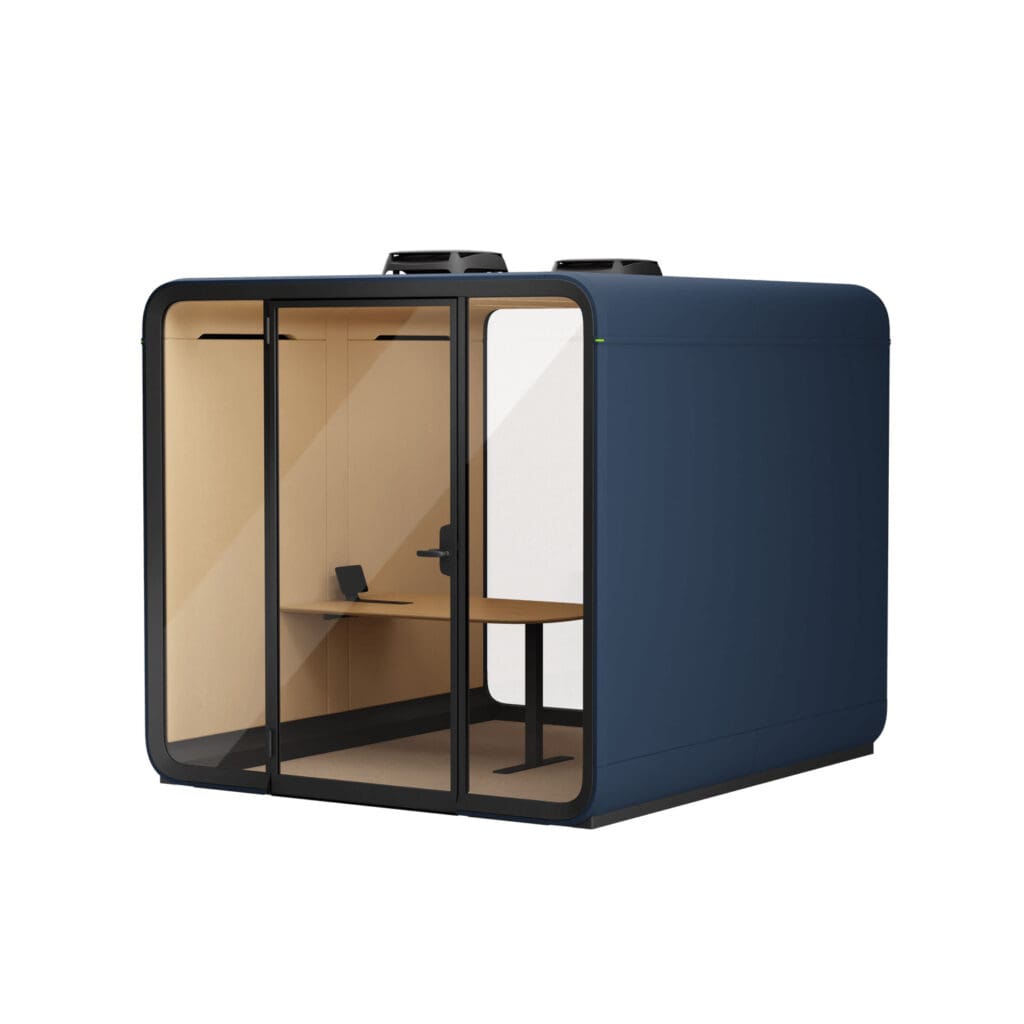
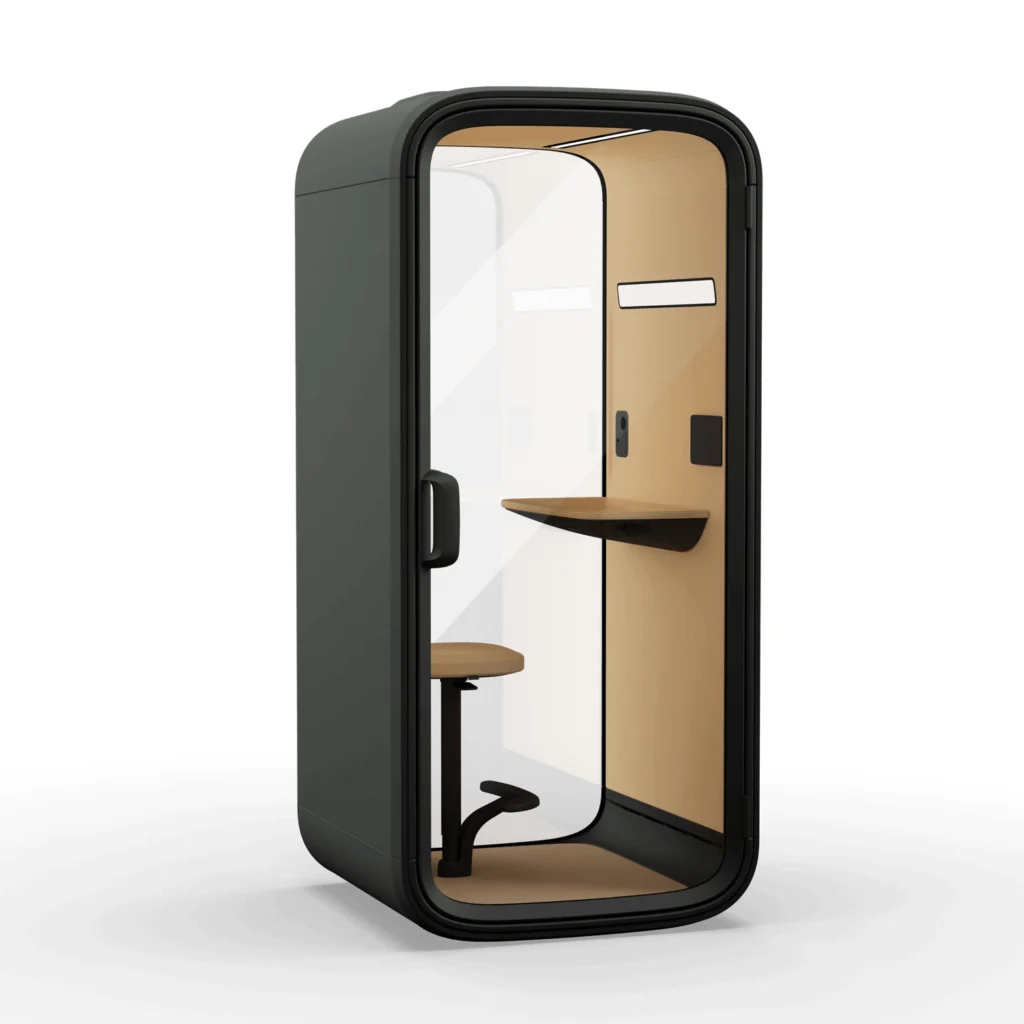
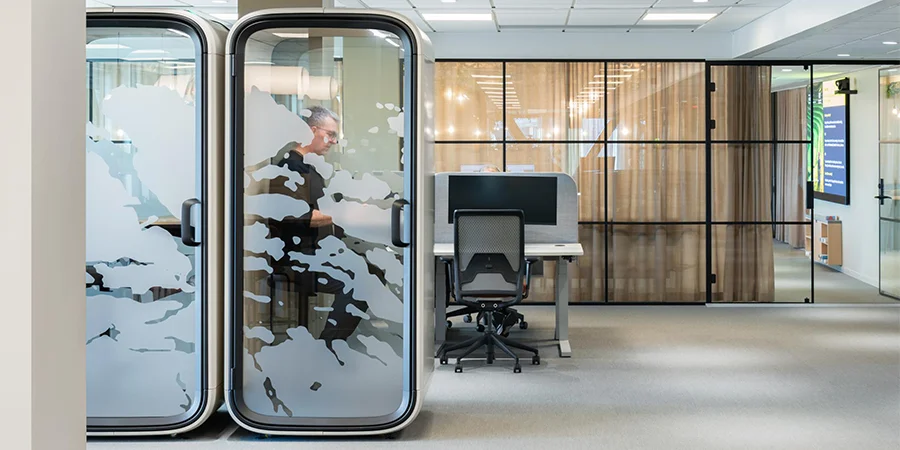
The team, from the Universitat Politècnica de València and the University of Cádiz, fitted 26 working adults with wireless EEG headsets and had them complete the same set of tasks (a vigilance test, a reading and writing task, and a memory recall task) in two different environments: a coworking-style open-plan space, and an enclosed work pod (roughly two metres square, with acoustic and visual shielding). Each person did the same tasks in both settings, so the comparison is genuinely apples-to-apples.
What they were measuring wasn’t how people felt, but what their brains were doing: gamma and theta wave activity, plus composite indices for arousal and engagement, tracked from the start to the end of each 15-minute session.
The pattern is a mirror image
Inside the enclosed pod, cortical activation went down over time: frontal beta power dropped significantly, along with prefrontal alpha and beta activity. In plain terms, once someone settled into a shielded, low-stimulus space, their brain needed less effort to sustain the same task performance.
In the open-plan setting, the opposite happened. Frontal gamma-to-beta ratio rose sharply, theta activity (linked to working memory load and mental fatigue) increased, and both arousal and engagement indices climbed. The researchers describe it plainly: “a reversal of the pattern is observed between environments, with decreases in the pod and increases in the open-plan office space.” People weren’t doing better or worse work. They were spending more neural resources to hold their attention steady against everything else going on around them.
That last point matters. The authors are careful to say this is about efficiency of cortical activation, not productivity per person. But if two people produce the same report and one of them is burning noticeably more cognitive fuel to do it, that gap adds up across a day, a week, a year of a career spent at a desk in the middle of a busy floor.
It fits everything else we already knew
This isn’t an isolated result. The ArchitectureAU piece also references a 2013 review of more than 42,000 workers that found open-plan layouts were consistently linked to lower satisfaction, driven mainly by uncontrollable noise and lack of privacy, and a 2021 study measuring a 25% jump in negative mood and 34% higher physiological stress markers in open-plan settings. What the EEG study adds is a direct, real-time look at the mechanism behind those complaints. It’s not simply that people find open-plan offices annoying, it’s that their brains are visibly working differently in response to them.
One detail we’d flag for anyone managing a floor of people rather than a single desk: the open-plan results also showed much wider variation between individuals than the pod results did. Some people’s brain activity barely moved; others spiked hard. That’s consistent with what we hear on site visits constantly: open-plan doesn’t fail everyone equally, and a “one environment fits all” floor plan is always going to leave a chunk of your team working harder than they need to, quietly, every day.
Why we’re paying attention to this one
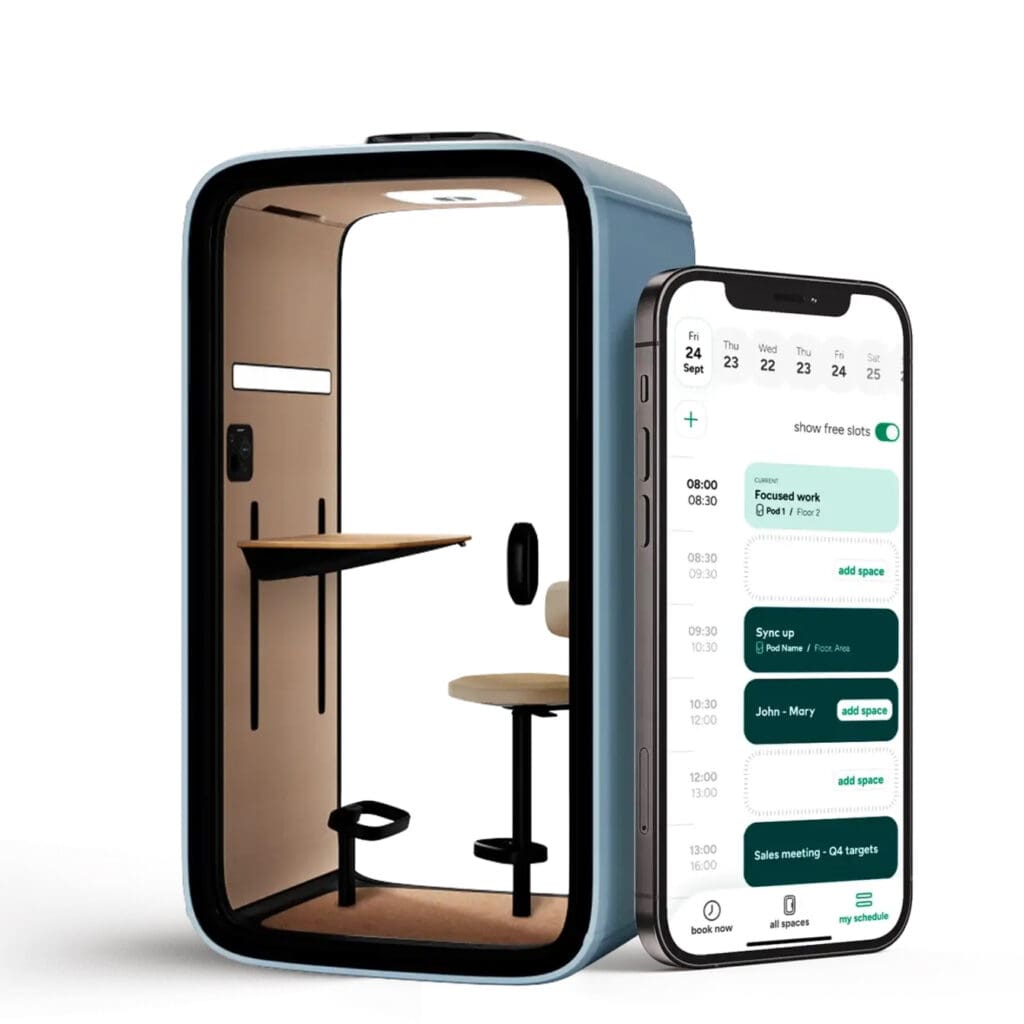
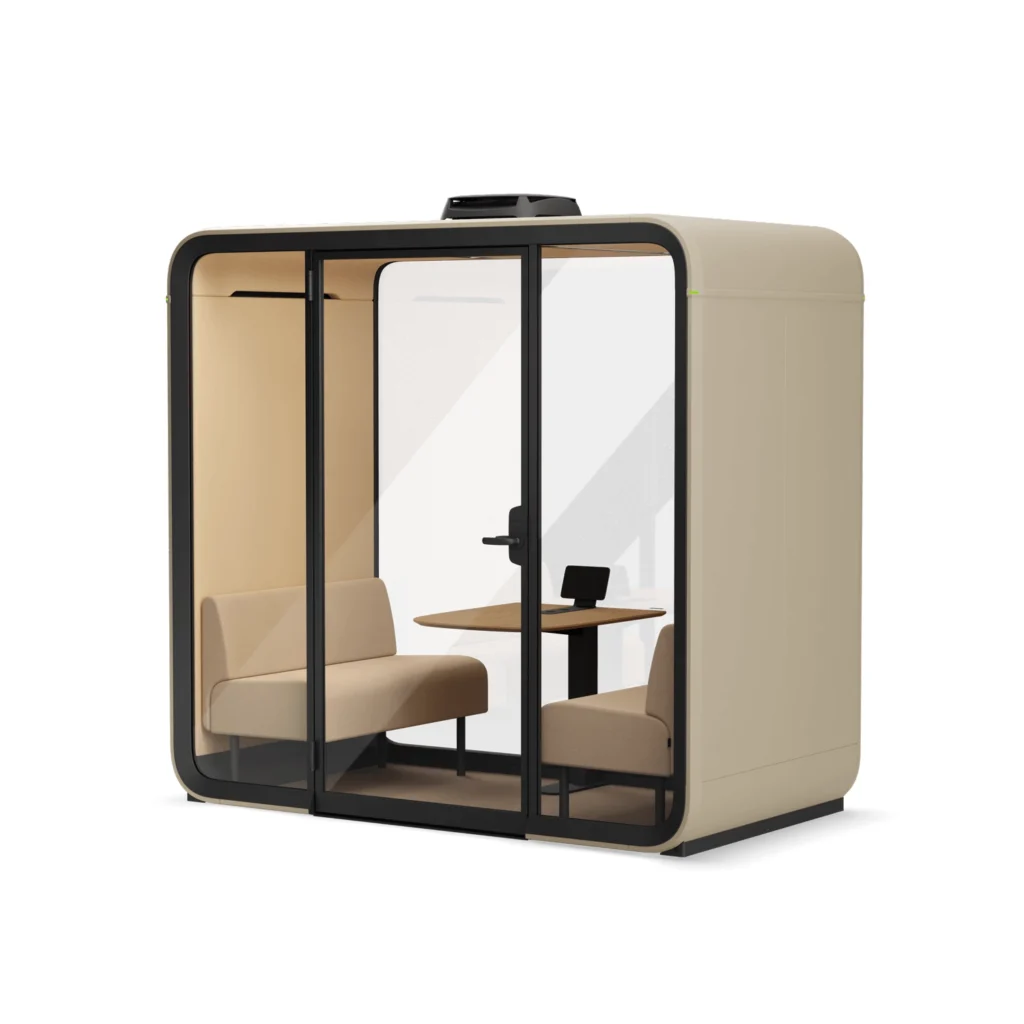
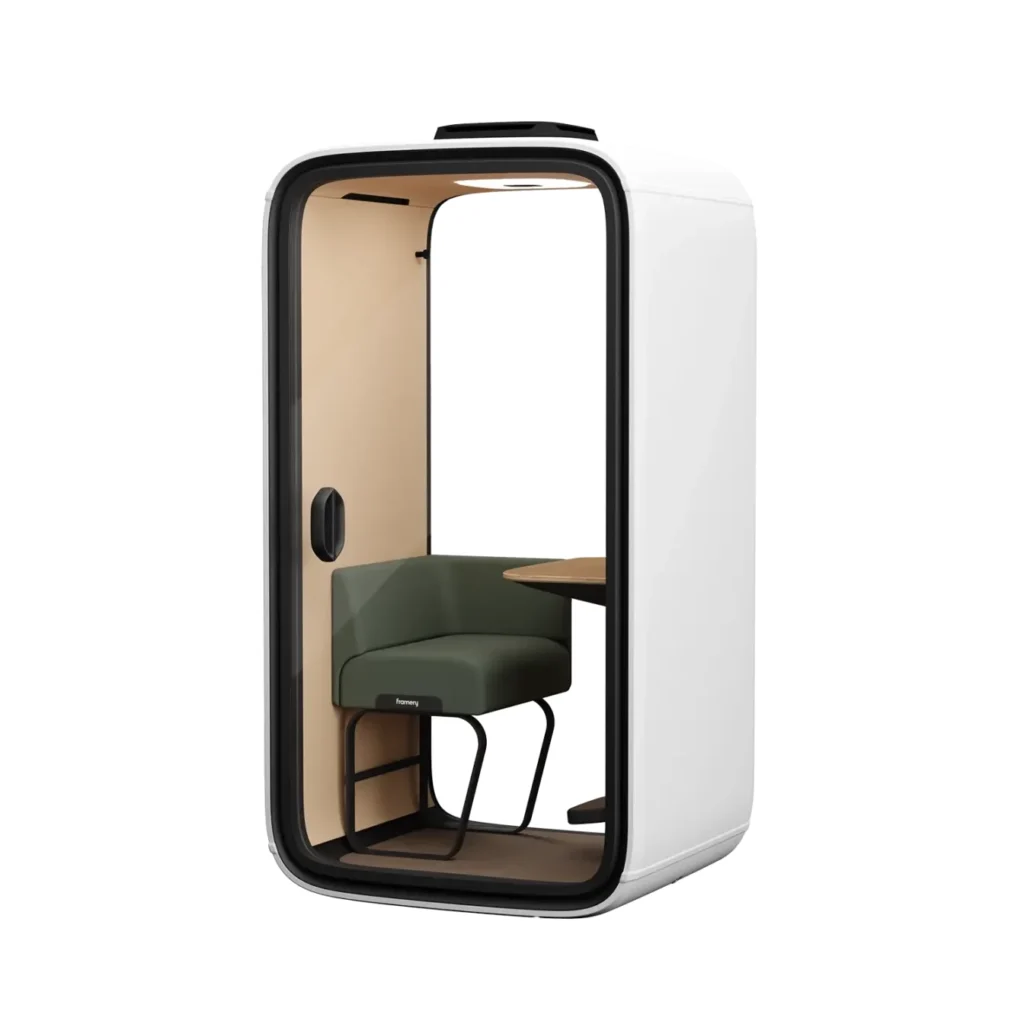
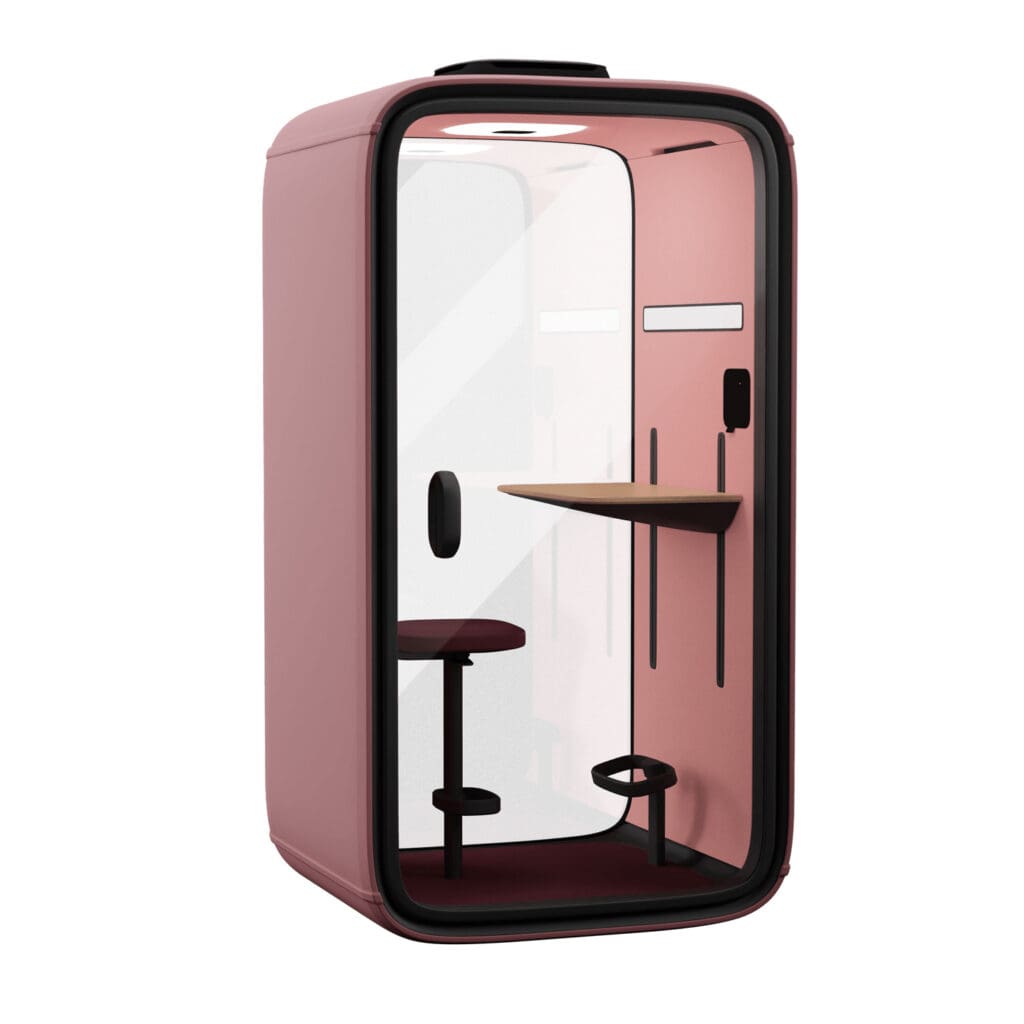
We spend most of our working lives thinking about acoustic pods, agile walls, and how to carve genuine focus zones out of open floor plates, so it would be easy to read a study like this and just nod along. But what’s notable here is that the intervention the researchers used to get their “quiet” result wasn’t a private office in the traditional sense. It was a compact, enclosed work pod dropped into the same building. That’s a much smaller, much more achievable change than reconfiguring a whole floor, and it’s exactly the category of product this research is validating.
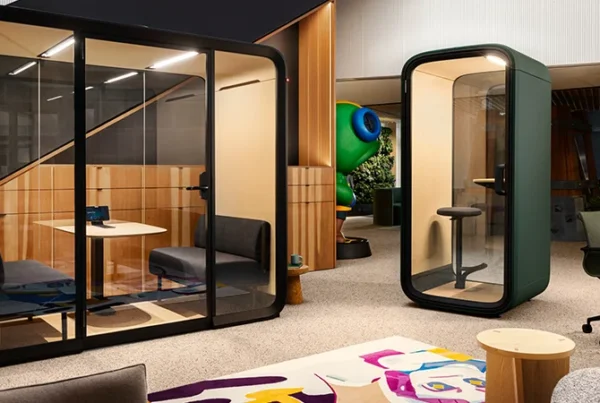
Practically, this doesn’t mean every open-plan office needs to disappear. Collaboration space still matters, and plenty of tasks genuinely benefit from proximity to teammates. What it does mean is that a floor with only one type of space is asking a lot of people’s brains for the sake of a layout. The organisations getting this right tend to build in a genuine mix: open collaborative zones, acoustically treated quiet areas, and dedicated pods people can step into for focus work or a call, without booking a whole meeting room or heading home to get it done.
If you’re weighing up where to start, our usual advice is to look at where the loudest complaints already are. We’ve written about how booths can solve the noise problem before, A pod or two near the noisiest cluster of desks, or outside a bank of workstations that back onto a walk-through zone, tends to show its value fast, and now there’s EEG data alongside the satisfaction surveys to back that instinct up.
If this has you looking at your own floor plan differently, our team can walk through where a pod, an agile wall, or a bit of acoustic treatment would make the biggest difference: get in touch or book a showroom visit to see the options in person.
Sources:
- Sander, E. (2026). “Why your brain has to work harder in an open-plan office than private offices.” ArchitectureAU.
- Pérez-Martínez, M., Barranco-Merino, R., Higuera-Trujillo, J.L., & Llinares, C. (2026). “Temporal Trajectories in EEG-Based Mental Workload: Effects of Workspace Type.” Buildings, 16(1), 176.
Framery's Pod and Booth Range